

- ProgramDOOSAN Yonkang Arts Awards
- Artist Yeoreum Jeong
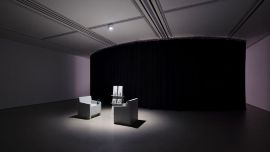
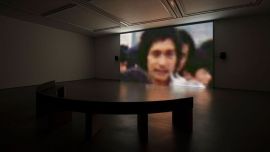
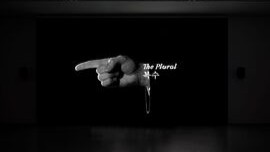
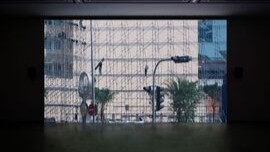
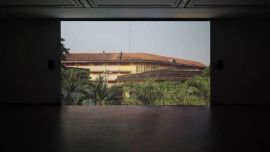
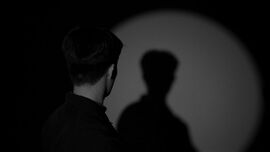
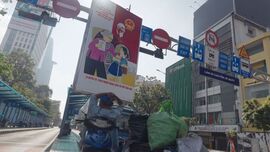
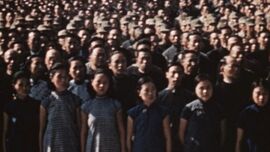
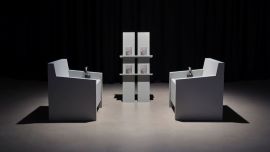
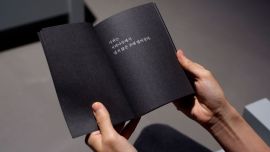
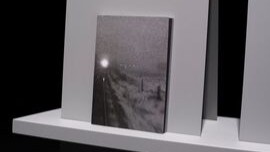
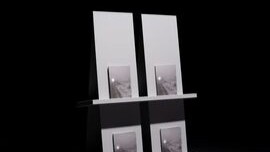
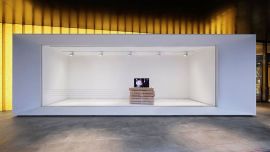
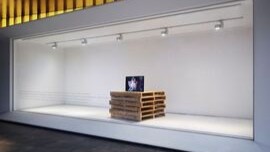
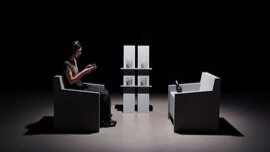
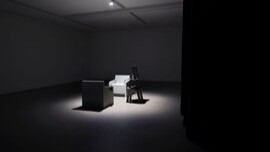
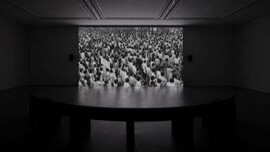
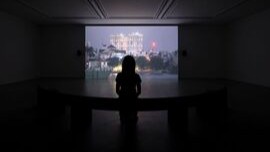
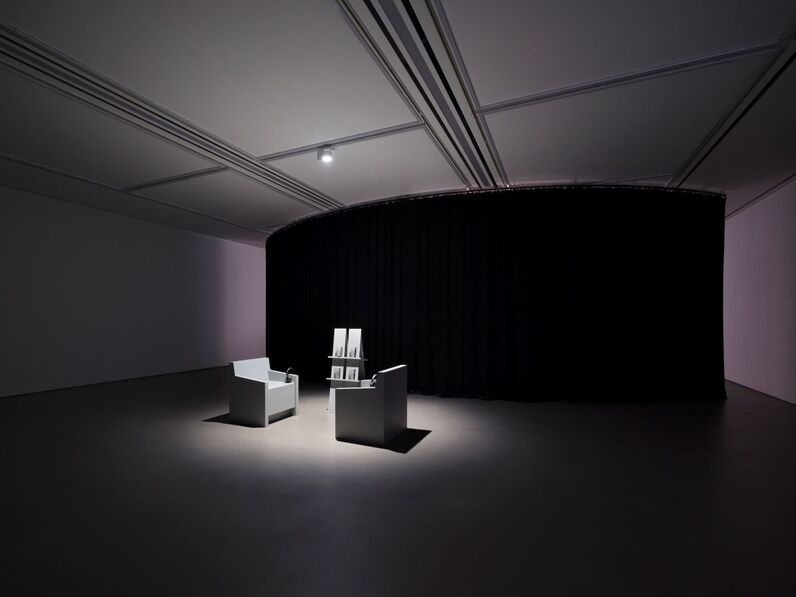
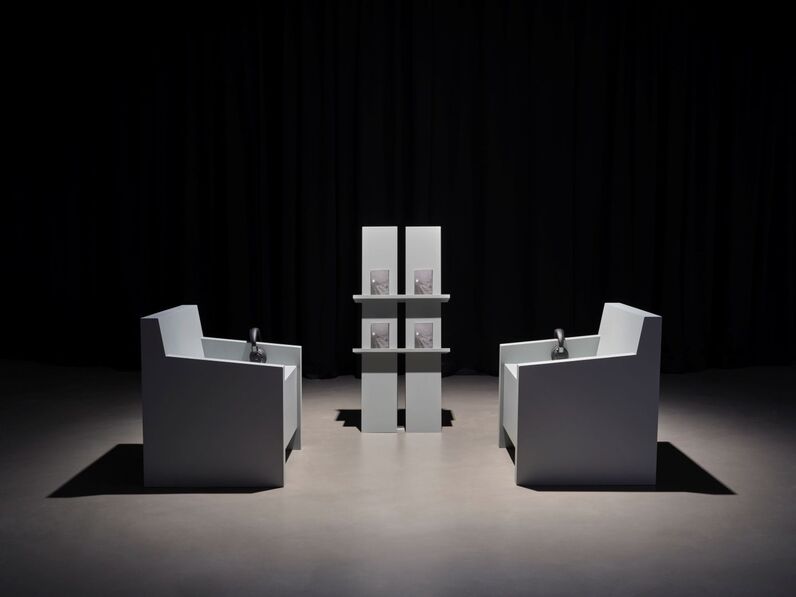
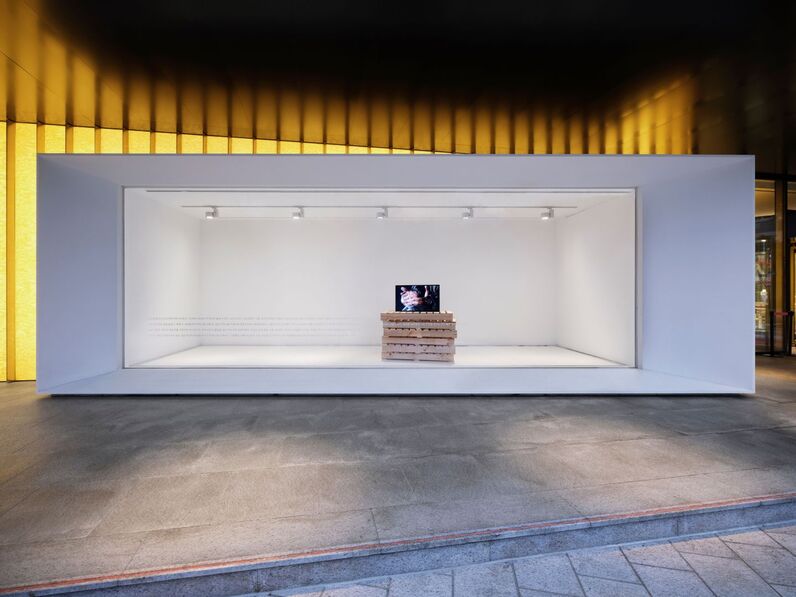
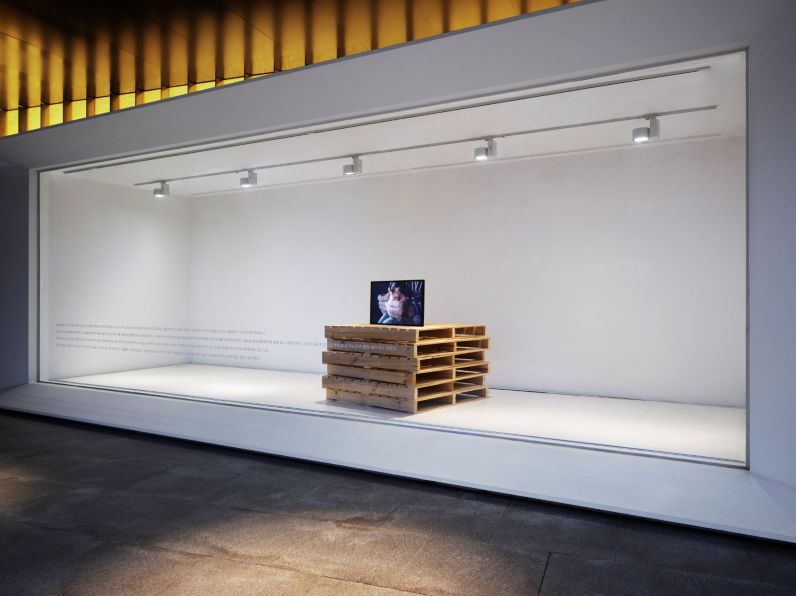
Installation view
2026 DOOSAN Art Center DOOSAN Gallery, Seoul
Photo by Euirock Lee
Tuesday-Saturday 11:00~19:00 / Closed on Sunday, Monday, and Chuseok holidays
DOOSAN Gallery: 15, Jongno 33-gil, Jongno-gu, Seoul, Korea
Tel. 02-708-5050
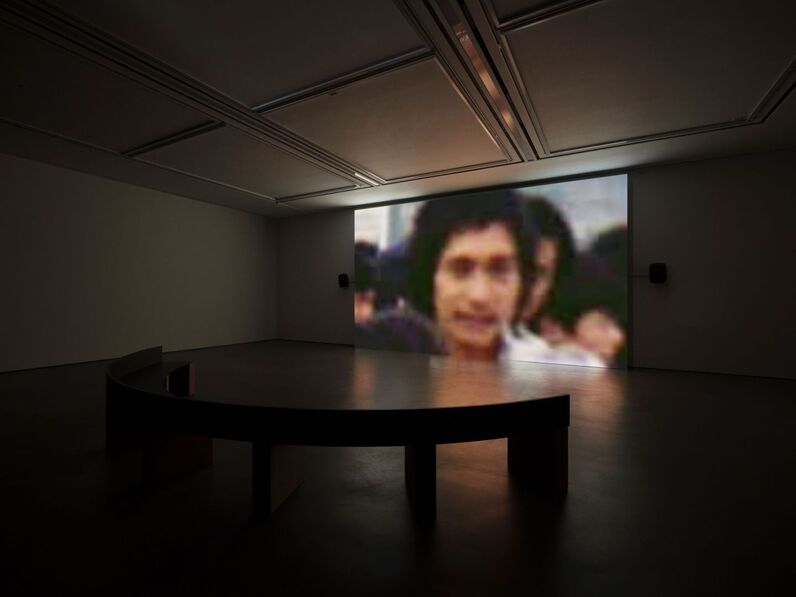
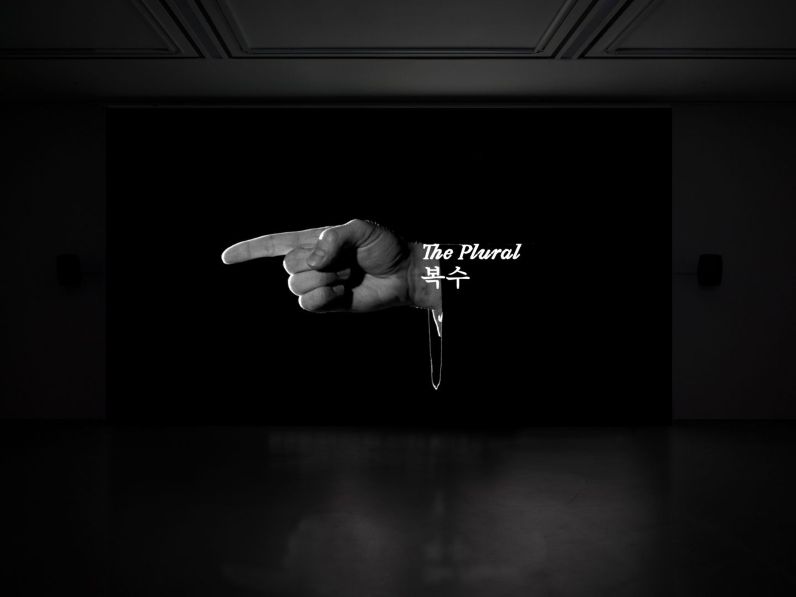
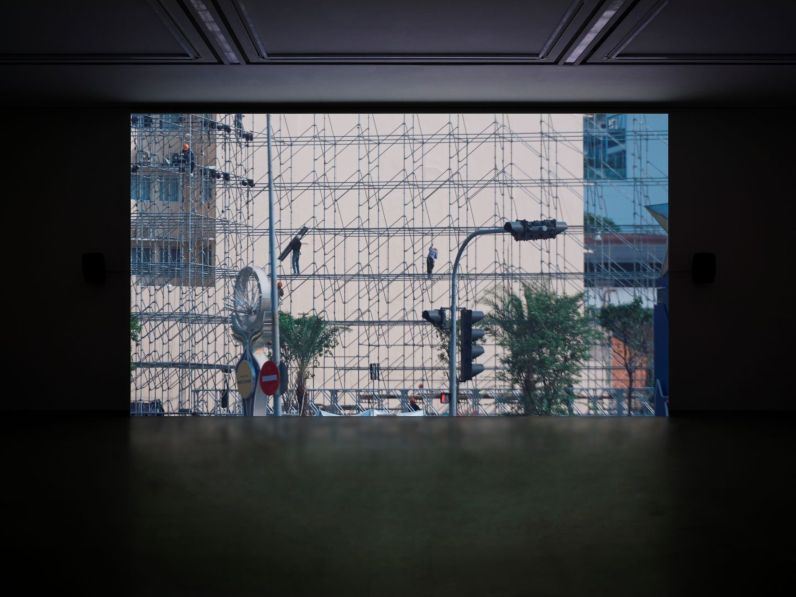
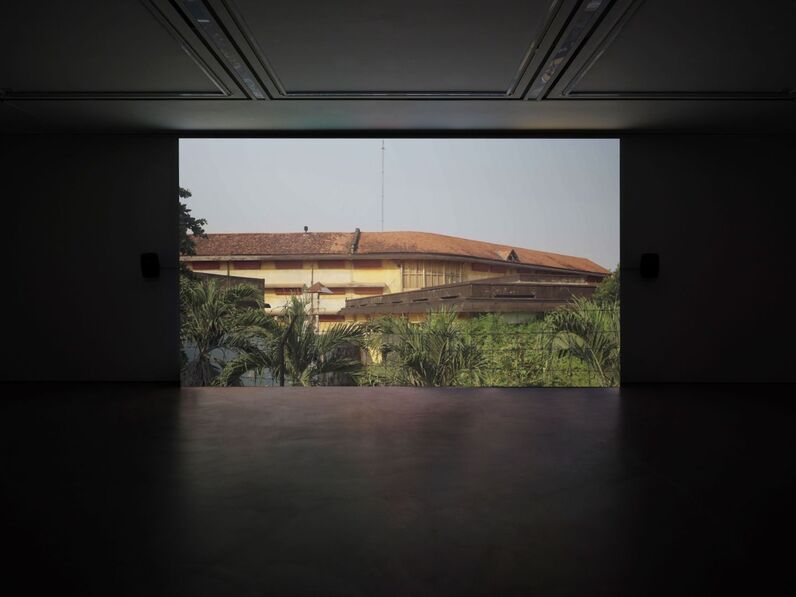
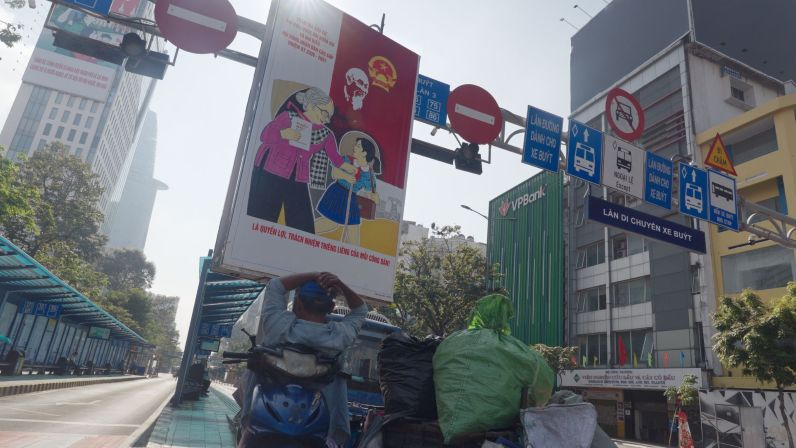
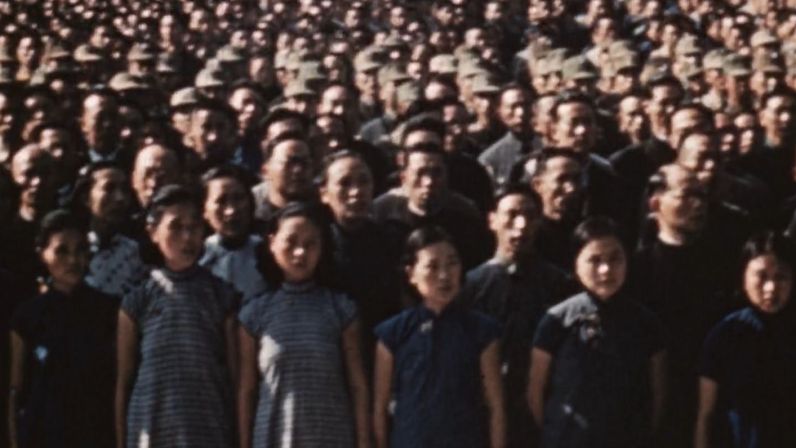
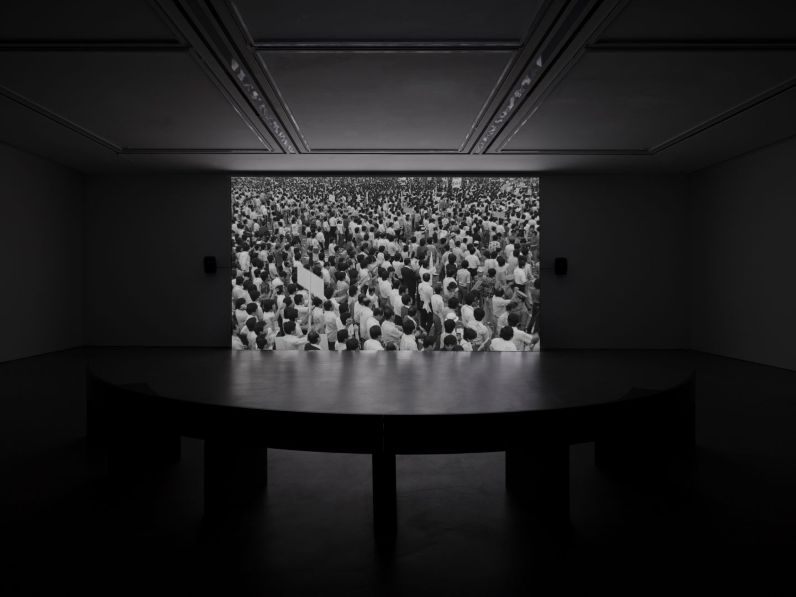
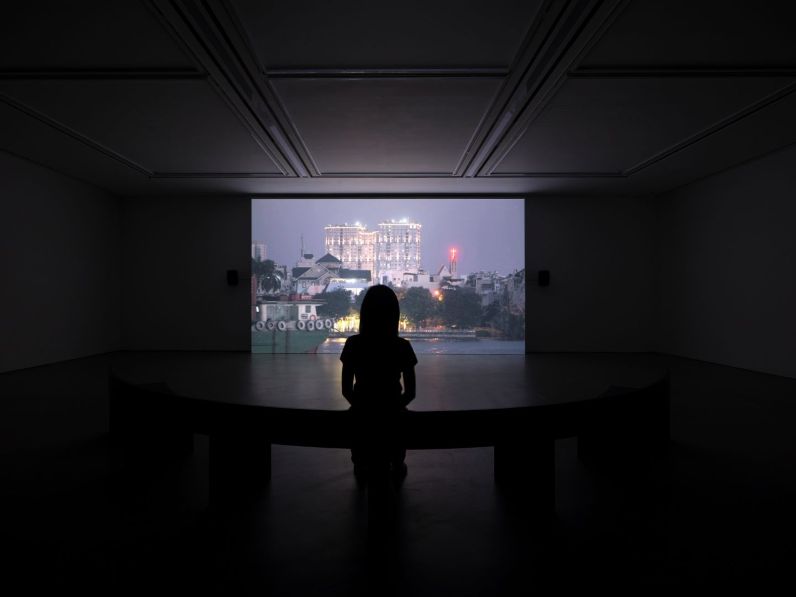
DOOSAN Art Center DOOSAN Gallery presents The Plural, a solo exhibition by Yeoreum Jeong, the recipient of the 15th DOOSAN Yonkang Arts Awards from Wednesday, August 26th, to Saturday, October 17th. Centering on a new video work of the same title, the exhibition explores the indefinable logic of power operating across East Asian Cold War history—encompassing Korea, Vietnam, and extending along the Trans-Siberian Railway—and the individuals moving within it.
Yeoreum Jeong engages in long observation of and research into places, breaking down the layers of time underneath them. Her gaze becomes a tenacious exploration of our ways of seeing. In her previous work, she examined the use of visual apparatus and war technology to see places that could not be visited or observed directly. Over the past few years, she has compared and contrasted the records and current landscapes of historical places to capture forgotten memories and discordant times and places. Crossing public archives with personal memories and speculative imagination, she has juxtaposed traces of different times and places within a single narrative.
Where does power come from?
Who does power belong to?
Jeong’s new work The Plural (2026) began with the discovery of an autobiography. [1] The Person in question left his homeland for the first time in the early 1920s to find his father, embarking on a long journey from there. In Vietnam and elsewhere, he would go on to drift about amid the political vicissitudes that held East Asia in their grip. As in nearly all autobiographies, he added some embellishment to the truths, and the life portrayed in the pages appeared to be a series of choices based on clear convictions and values. But his travels in response to immediate situations come across less as subjective choices and more as a case of being carried along by the tides. With the harsh currents of power, the Person was first a voluntary migrant who relocated for reasons including family and business opportunities. He would eventually become a traitor faithfully serving a regime, then a member of the masses who had lost everything to even greater forces. Finally, he became an emigrant who turned his back on his homeland.
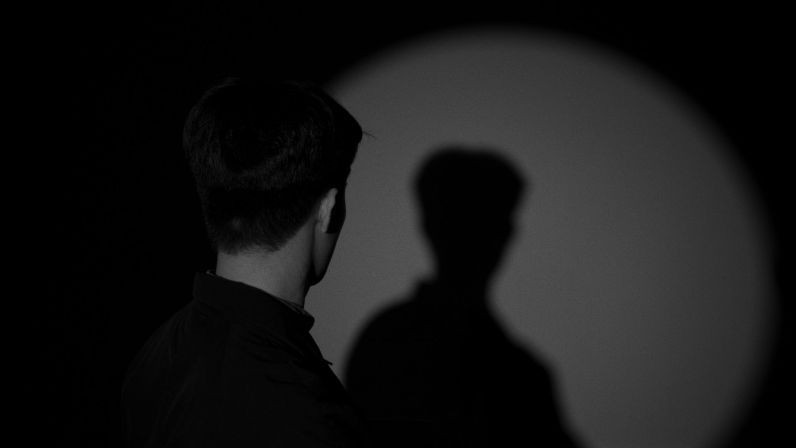
The video uses the language of ary in a way that suggests it is faithfully following the course of events described in the autobiography. But Jeong also employs the voice of a narrator, excerpting moments when specific choices by the Person intersect with the waves of history. The screen shows footage of the associated events and present-day places, as images of different textures and proportions are woven together sleekly and seamlessly. Moving amid all of these are thousands of people who passed through the same time. The more distant the gaze becomes, the more the individual disappears, replaced by presences whose names and faces cannot be known.
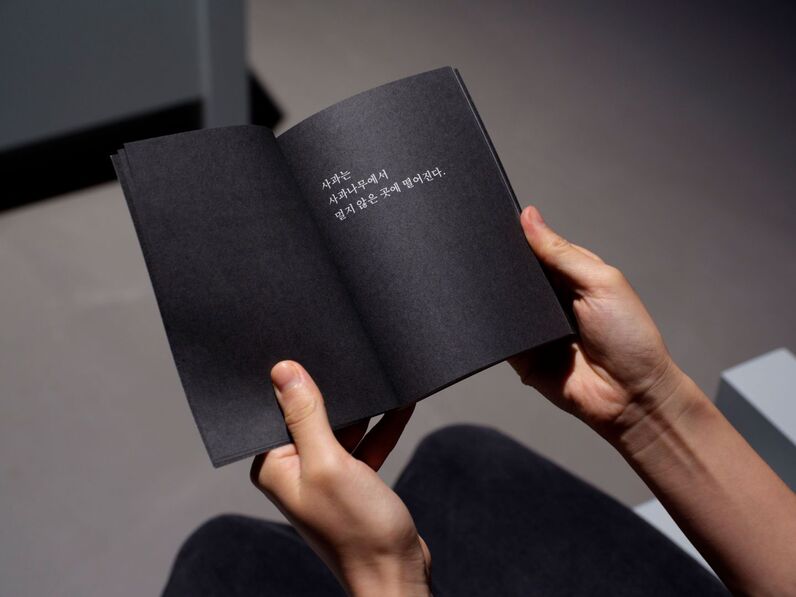
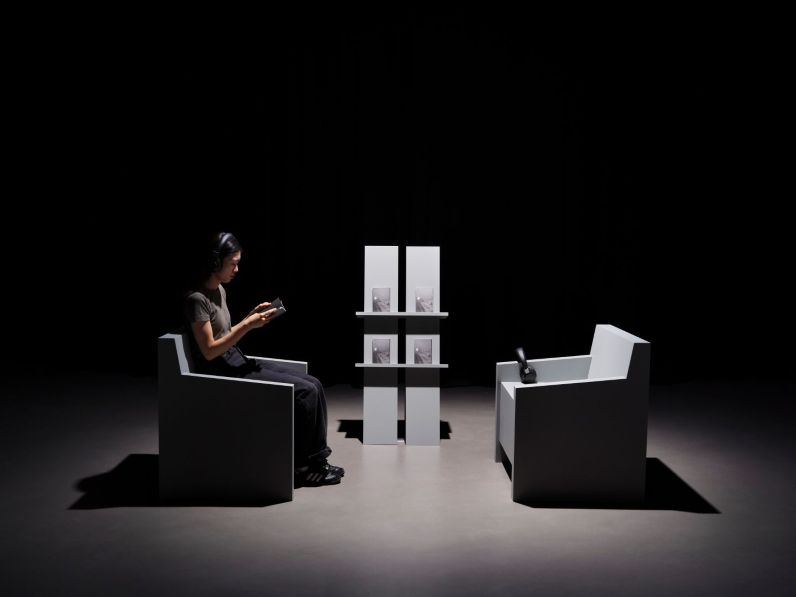
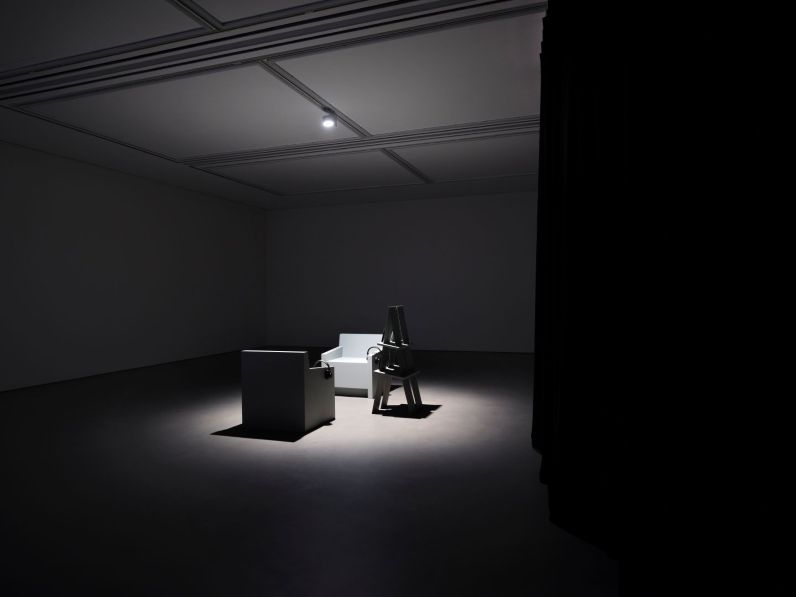
While some individuals are reduced to masses in the video, others outside the frame were left with nowhere to return to. The figures in the text-centered installation works The Shepherd (2026) and Apron of the Low Place (2026) have either lost their purposes or never had them to begin with.
The speaker in The Shepherd is a woman who suffers from bad underarm odor, which she inherited from her mother. Boarding the Trans-Siberian Railway with no clear destination, she contemplates the place she left behind and the place she must go to. Smell possesses the power to instantly summon memories of a specific past, but its meanings depend on the person encountering them and the memories and circumstances. Holding onto only the substanceless traces of a smell as proof of herself, she drifts through the landscape, seeking to lose her direction. She believes that through her movements, she provides the only kind of home available to her.
Other figures subordinate themselves to others and make it their mission to satisfy them. The speaker in Apron of the Low Place serves a master with two hands that own nothing in particular but are capable of grasping anything. But while they regard service to their master as all there is to life, the things they do to satisfy them ironically end up taking that life away. The unexpected movements of forces upend relationships and endlessly rearrange the individuals inside them.
The singular who make up “the plural” drift about without names of their own. By what names might we call them? Yeoreum Jeong observes the people left behind where forces have swept through, and all the many individuals who seek to break through their own places. Through their movements, Jeong attempts to point toward someplace or something. No one can know for sure what exists there or whether the direction is the right one. Landscapes pass by, bleached by the phantomlike word that is “everyday.” Yet there are still faces within. When the forces travel in different directions, all of us become witnesses to one another. It falls on us to find the language to name them.
[1] Chon, Yong Sang, Along the Way Along the Time (CREART, 2010)
Yeoreum Jeong (b.1994) reframes the story about a correlation between space and memory into visual language. She has held solo exhibitions including Centuries in the Distant Mist (SeMA Bunker, Seoul, KR, 2023) and HAPPY TIME IS GOOD (Hapjungjigu, Seoul, KR, 2021), and participated in DOOSAN ART LAB Exhibition 2024 (DOOSAN Art Center DOOSAN Gallery, Seoul, KR 2024). Her work has been presented in group exhibitions at institutions including Muzeum Sztuki Nowoczesnej (2026, Warszawa, PL), Hite Collection (2023, Seoul, KR), and Space Heem (2022, Busan, KR) among others. Her works have also been screened at major film festivals, including the DMZ International ary Film Festival, Seoul International Women’s Film Festival, and Jeonju International Film Festival. She is a recipient of the 15th DOOSAN Yonkang Arts Awards for Visual Arts in 2024.
Curated by Jinyoung You│Assisted by Jungmin Lee, Seohui Hong